UX research · Primary research
Conflicting Diagnoses
Why can’t patients compare doctors with confidence?
A primary research study on how patients, families and caregivers cope when doctors disagree, and why the people who need clarity most are the least equipped to find it.
- 5in-depth interviews
- 4–12doctors per patient journey
- 2–4/10patient confidence comparing opinions
- 7–8/10coordinator confidence, with the full picture
- 0told upfront that opinions differed
Primary research · Healthcare decision-making, India
About the study
What this study looked at
A second medical opinion is supposed to bring clarity. This research set out to understand what happens when it does not.
Primary research
Five in-depth interviews. Each walked through the full journey: how it began, how many doctors got involved, where opinions diverged and what the person wished had existed.
Healthcare decisions, India
The moment someone realises two doctors do not agree on a diagnosis, a treatment plan, a prescription or even how urgent the situation is.
The question underneath
“What if we choose wrong and it costs time, money, or suffering?” sat beneath every single interview.
The problem
When doctors disagree, patients are left to figure it out alone
Is the difference normal medical nuance, or is something being missed? Patients have almost no way to tell, and the weight of finding out falls on the family.
- Why don’t patients have tools to compare conflicting diagnoses confidently?
Two answers
Different diagnoses, different urgency, different treatment paths, even different views on whether a medicine is needed.
No explanation
In not a single case did a doctor say: this differs from what the other doctor told you, and here is why.
Families carry it
Not because they are equipped for it, but because no one else is doing it for them.
Research approach
Five interviews, five relationships with the healthcare system
Each person had recently navigated conflicting medical opinions, either as the patient or as the family member coordinating care.
Two caregivers
Looked after a parent: a sudden stroke with rapid decline, and a 2.5-year cancer journey.
Two patients
Spoke about their own conditions: recurring kidney stones for 7 years, and diabetes with a new, unexplained symptom.
One coordinator
15 years in healthcare, the last 6 as a hospital coordinator. She does for pay what the others did unpaid.
Laid side by side, the same handful of patterns showed up almost word for word in every conversation.
What the interviews showed
Six patterns that repeated in every conversation
The affinity map of all five interviews surfaced the same patterns, whatever the condition.
Too many doctors, none talking
4 to 12 doctors per person, often across hospitals. The family became the only link between them, carrying reports like a bag.
Nobody said opinions differed
Doctors disagreed in every case and never told the patient. People found out by accident.
The same emotions each time
Confused, scared, helpless, guilty, alone, frustrated. Guilt stayed before, during and after every decision.
Trust followed bedside manner
Patients cannot judge accuracy, so they trusted whoever explained simply and gave them time.
People built their own systems
Notebooks, family WhatsApp groups, YouTube, and a relative in healthcare, the most trusted source of all.
An unpaid, untrained coordinator
One family member always took the job: collecting reports, calling doctors, translating, and carrying the fear alone.
Two specialists prescribed drugs that raised bleeding risk together. It went unnoticed for almost two days. A system gap, not a clinical one.
The confidence gap
The people making the decisions felt least confident
Patients and caregivers rated their confidence 2 to 4 out of 10, whatever their education or how organised they were.
The coordinator’s confidence is not a personality trait. It is what access to a complete picture looks like.
Who I designed for
Meet Rahul, Vikram, Meena and Anjali
Four people, one for each relationship to the problem: two patients, a family caregiver and a healthcare coordinator.

“I’ve done all the research I can, but I still don’t know why the doctors disagree.”
- Rahul Verma
- The Independent Medical Researcher
- 32 · Software Engineer
A patient managing a chronic condition with several specialists. He researches online and keeps spreadsheets of every test result, but still cannot tell why the doctors disagree.
Pain points
- Conflicting specialist opinions
- Hard to interpret medical information
- No clear way to compare recommendations
Goals
- Understand why doctors disagree
- Make informed treatment decisions
- Avoid unnecessary medication

“I became the coordinator of my father’s care, but nobody taught me how to do that.”
- Vikram Reddy
- The Family Care Coordinator
- 48 · Finance Manager
A family caregiver for his father, who is being treated by several specialists. He carries reports between hospitals, with no medical training to judge which advice fits best.
Pain points
- No single provider oversees the full case
- Must coordinate information by hand
- Feels responsible for major decisions
Goals
- Ensure the best care for a loved one
- Understand conflicting medical opinions
- Avoid missing important information
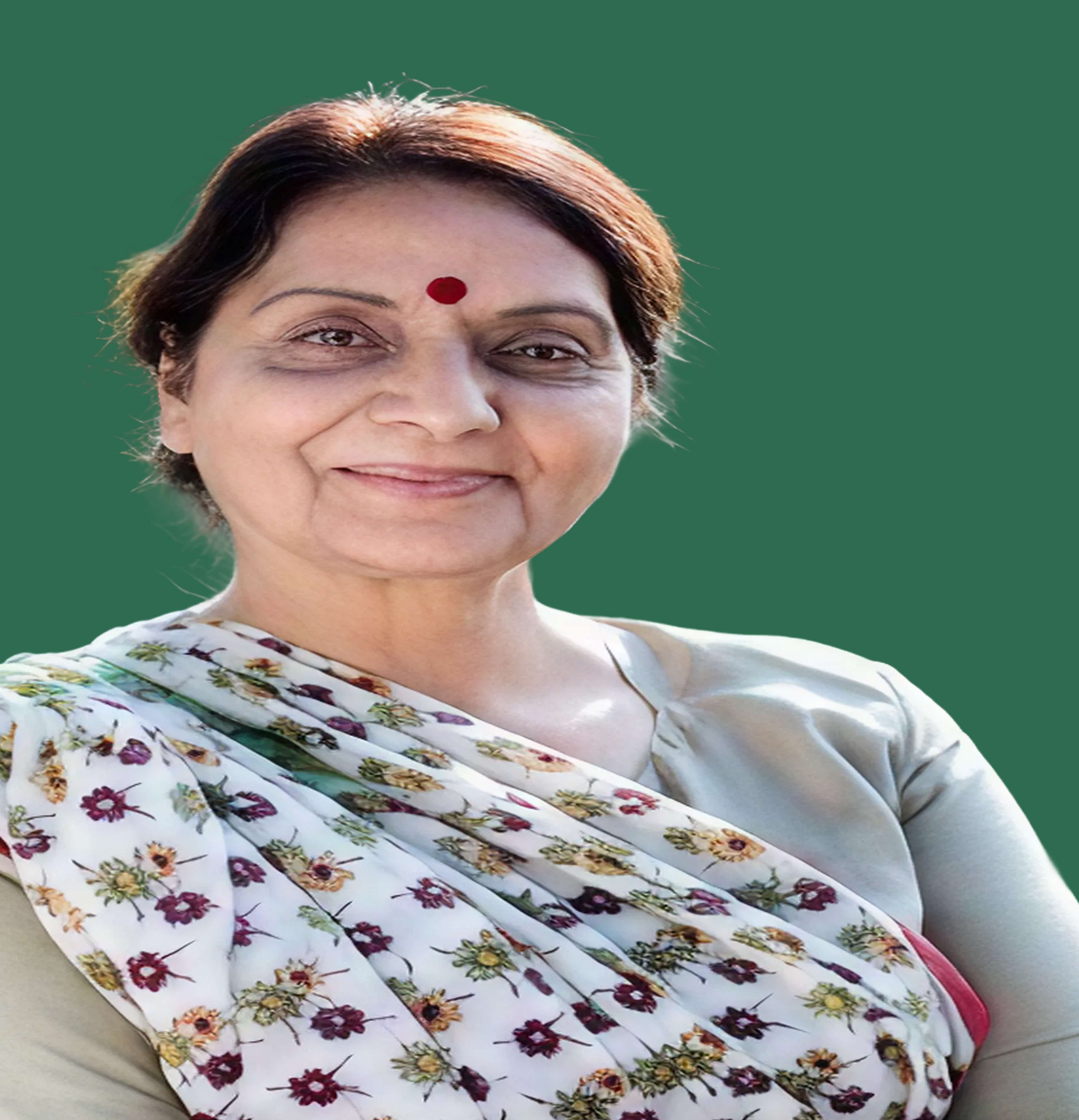
“I don’t need complicated medical words. I need someone to explain what all these options mean for me.”
- Meena Rao
- The Trust-Dependent Patient
- 53 · Homemaker
A patient told to have surgery, try a less invasive procedure, or wait, by three different doctors. Her family researches online, and she trusts the doctors who take time to explain.
Pain points
- Medical terminology is hard to understand
- Conflicting recommendations create fear
- Feels unheard during consultations
Goals
- Understand treatment options clearly
- Feel confident in medical decisions
- Be included in decision-making
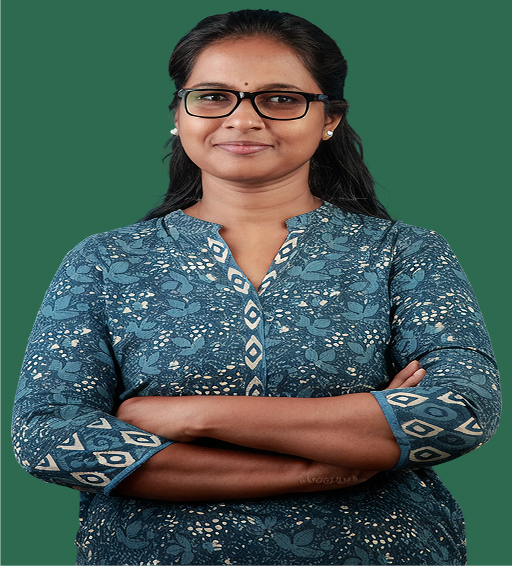
“Patients don’t need more information. They need help connecting the information they already have.”
- Anjali Sharma
- The Healthcare Navigator
- 44 · Healthcare Coordinator
A coordinator who translates medical language and pieces together separate consultations for patients, but has no consolidated view of what each specialist said.
Pain points
- Patients receive fragmented information
- Patients often discover conflicts by accident
- Few care coordination resources
Goals
- Improve patient understanding
- Help patients compare information accurately
- Support informed decision-making
Their journey
Where confidence collapses
Journey maps for every persona showed the same low point: when a second opinion contradicts the first and nothing explains why.
- 1
First opinion
Coping · Unsure
Pain One doctor gives a path
Need A plain summary of the diagnosis
- 2
Second opinion contradicts
Confused · Scared · Guilty
Pain No one explains why they differ
Need Opinions side by side, with reasons
- 3
Uncertainty continues
Alone · Frustrated
Pain The family coordinates by hand
Need One person who knows the whole case
Even the coordinator hits the same low point. She has the training and the access, but no system, only her own manual effort.
Ideation
From patterns to How Might We questions
Eight questions came from the pain points. Four of them shaped the five ideas I took forward.
- How might we help patients and caregivers compare opinions from multiple doctors confidently?
- How might we help patients understand why diagnoses from different doctors may differ?
- How might we help patients make informed treatment decisions when opinions conflict?
- How might we help patients and caregivers store and share health records securely?
Doctor opinion comparison
See where doctors agree and differ, side by side, with differences highlighted like track changes.
Diagnosis reasoning
A short “why this?” on each diagnosis, phrased as what the report shows, never as advice.
Treatment comparison
Options by recovery time, risk and relative cost (₹ to ₹₹₹), ordered by what matters to the patient.
Digital health record vault
Photograph reports once. Share one clean summary by link, no doctor login needed.
Consultation question generator
Up to three neutral, collaborative questions per visit, so nothing is forgotten in the room.
A near-complete loop
Compare, understand why, weigh treatments, have records ready, ask well. One journey, five steps.
Almost none of the ideas need new clinical capability. They need connecting information that already exists, surfacing it earlier, and saying it in language a frightened, exhausted family can use.
The opportunity
The solution already exists. It is just not available to most people.
Inside hospitals, a paid coordinator combines information across specialists, catches conflicts and explains things in plain language. That support is reserved for cases flagged as complex. Everyone else becomes their own coordinator.
Core
- One combined case summary
- Plain-language report translation
- Conflict flagging, with why differences are often normal
Phase 2
- A checklist of warning signs to watch for
- Side-by-side opinion comparison, without judging which is right
Innovation
- An evolving health picture for chronic conditions, updated as new specialists join
Families are doing, unpaid and untrained, a job that hospitals recognise as important enough to create a paid position for.
Takeaways
This isn’t a diagnosis problem. It’s a coordination problem.
Every participant, including the coordinator, agreed the doctors were competent. The breakdown was in the space between specialists.
Good doctors, bad system
Tests were accurate and equipment worked. Information fell through the seams between specialists.
More specialists, more seams
More doctors are assumed to mean better care. They also mean more places for information to fall.
Close the seams
The opportunity is not to replace doctors or diagnose, but to close the gaps for the people stuck inside them.
Good doctors, but a bad system around them. And families fall into the gaps of that bad system.
Why first. How second.